Spices have shaped human history more than almost any other food. Empires rose on the pepper trade, ships were built to reach the cinnamon coast, and the price of cloves once rivalled gold. Today they sit in small jars in every kitchen, which makes it easy to forget how remarkable they are.
What a spice is
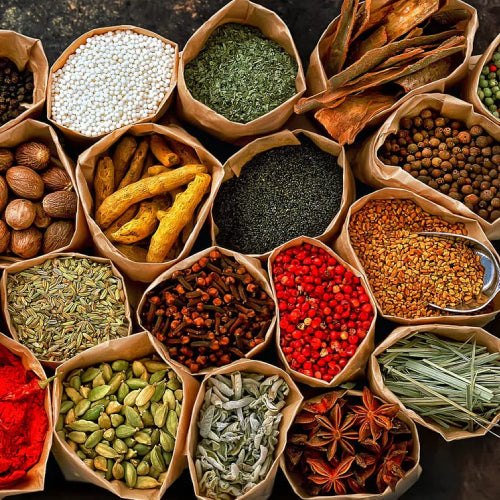
A spice is any dried part of a plant used for flavour other than the leaf: seeds such as cumin and coriander, bark such as cinnamon, roots such as turmeric and ginger, flower buds such as cloves, and fruits such as pepper and cardamom. Leaves, like coriander or curry leaf, are herbs. The distinction matters in the kitchen because spices generally need heat to release their flavour and herbs often do not.
India's spice map
Kerala's Malabar coast gave the world black pepper and cardamom. Kashmir grows saffron in autumn fields that turn purple for two weeks a year. Rajasthan and Gujarat produce much of the country's cumin and coriander, and the hills of the North East grow some of the hottest chillies anywhere. The Himalayan foothills, where our honey comes from, are known for large cardamom and for timur, a citrusy relative of Sichuan pepper.
Cooking with spices well
Three habits make the biggest difference. First, buy whole spices and grind small amounts as you need them; ground spices lose their aroma within weeks. Second, bloom them in hot fat before the other ingredients go in. This is the tadka or tempering at the heart of Indian cooking, and it is where a good ghee earns its place: its high smoke point and clean flavour carry the spices without burning them. Third, add delicate spices such as cardamom and garam masala at the end, so their aromatics are not cooked away.
Spices and wellbeing
Turmeric, ginger, cinnamon and black pepper have been used in household remedies for centuries, and the traditions are consistent across cultures: warming spices in winter, cooling ones in summer, a pinch of turmeric in warm milk at night. Modern research continues to examine these uses. What is beyond dispute is that a kitchen that cooks from whole spices tends to cook from scratch, with less salt, less sugar and more vegetables, and that is good for anyone.
A simple pairing to try
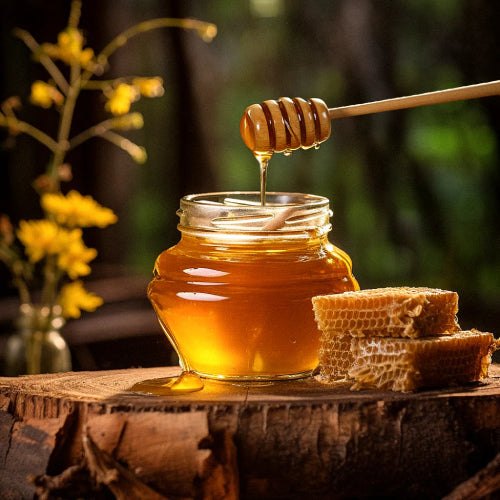
Warm a spoon of A2 ghee, bloom a pinch of crushed cardamom and a few strands of saffron in it, and stir it into a bowl of rice or porridge with a drizzle of multiflora honey. It takes two minutes and tastes like a festival.