
Coffee is more than a morning habit. It is agriculture, chemistry and craft in a single cup, and the differences between a forgettable coffee and a memorable one are decided long before the water touches the grounds.
From cherry to green bean
Coffee begins as the seed of a small red fruit. After picking, the fruit is removed either by drying whole cherries in the sun, which produces sweeter, fruitier coffees, or by washing the pulp away, which gives cleaner, brighter cups. The dried seeds, now called green beans, are sorted by size and density before they travel to the roaster.
India grows coffee mostly in the hills of Karnataka, Kerala and Tamil Nadu, under the shade of native trees. Shade-grown coffee ripens slowly and tends to be softer and more chocolatey than coffee grown in full sun.
Roasting: where flavour is made
Roasting turns a grassy green seed into something aromatic. As the bean heats, sugars caramelise and hundreds of aromatic compounds form. A light roast keeps the bean's origin character: florals, citrus, stone fruit. A dark roast replaces those with roast flavours: cocoa, smoke, toasted bread. Neither is better; they suit different brews.
Freshness matters more than most people think. Roasted coffee is at its best between a few days and a few weeks after roasting. Buy whole beans, grind just before brewing, and keep them in an airtight tin away from light.
Brewing at home
The variables are simple: grind size, water temperature, ratio and time. A good starting point for a pour-over is 15 grams of medium-ground coffee to 250 millilitres of water just off the boil, poured over three minutes. For a stronger South Indian filter coffee, use a finer grind and let it drip slowly.
Honey and coffee
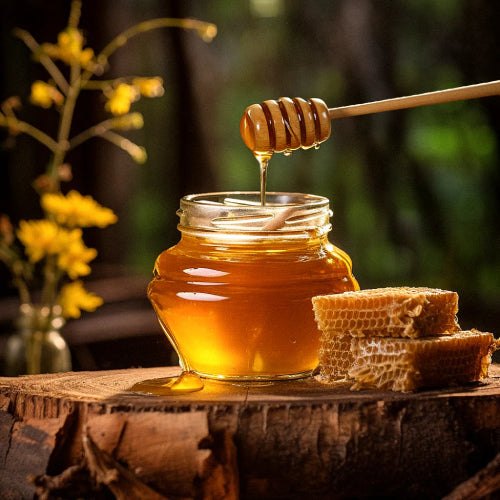
Sugar flattens coffee; honey rounds it. A small spoon of multiflora honey in a black coffee adds body without masking the bean, and its caramel notes sit naturally alongside a medium roast. Eucalyptus honey is bolder and works best in milk coffee, where its cool finish cuts through the richness. Try half the amount of honey you would use of sugar; it is sweeter than it looks.
A note on A2 ghee
If you have come across ghee coffee, the idea is simple: a teaspoon of ghee blended into hot black coffee gives a smooth, creamy cup without milk. Use a well-made ghee with a clean aroma, blend rather than stir so the fat emulsifies, and add honey to taste.